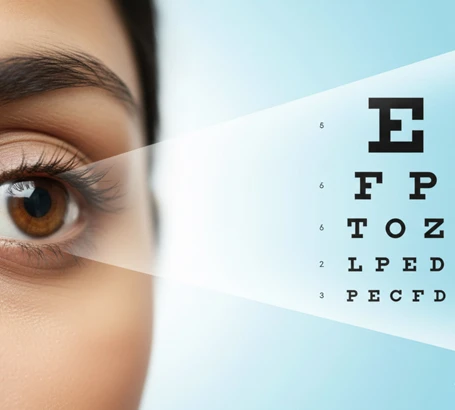
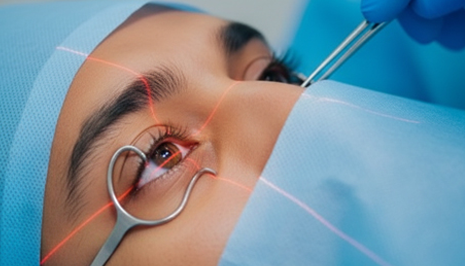
Refractive surgery includes advanced procedures designed to correct vision by improving the eye’s focusing ability. By reshaping the cornea or implanting a corrective lens, these treatments help light focus properly on the retina—reducing or eliminating the need for glasses or contact lenses.
Get A Call Back
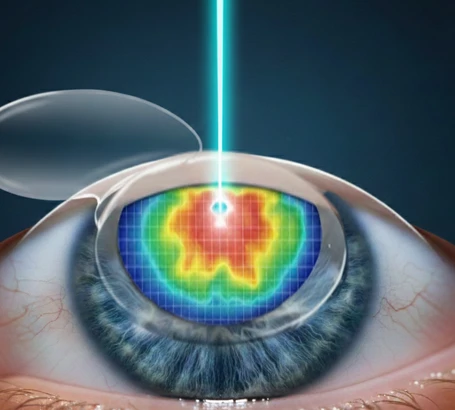
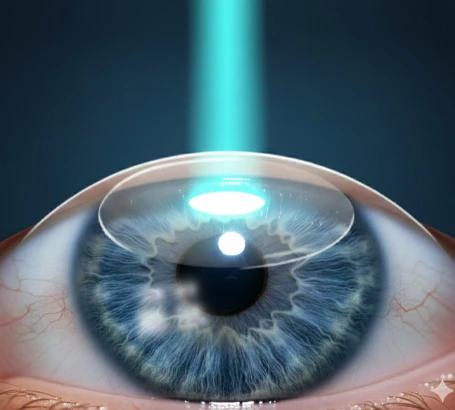
LASIK (Laser-Assisted In Situ Keratomileusis): A thin corneal flap is created using a femtosecond laser.
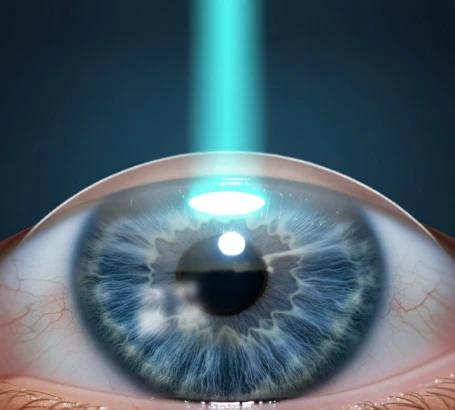
PRK (Photorefractive Keratectomy): In PRK, the thin outer layer of the cornea (epithelium) is gently removed.
SMILE (Small Incision Lenticule Extraction):SMILE is a minimally invasive, flap-free procedure.
Double vision in one eye
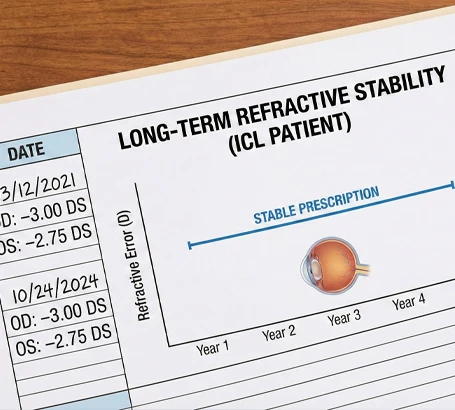
Stable Prescription:Power should be stable for at least 12 months
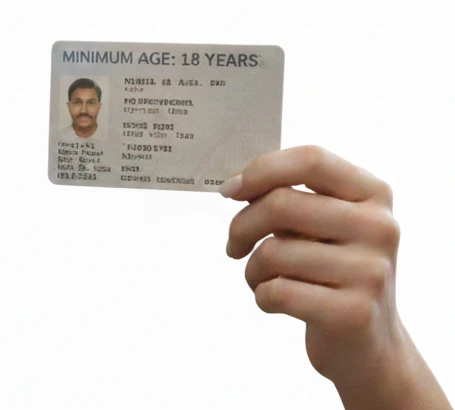
Minimum age Generally 18 years or older for laser procedures.
Good ocular healthNo active infections, uncontrolled glaucoma, or advanced retinal disease.
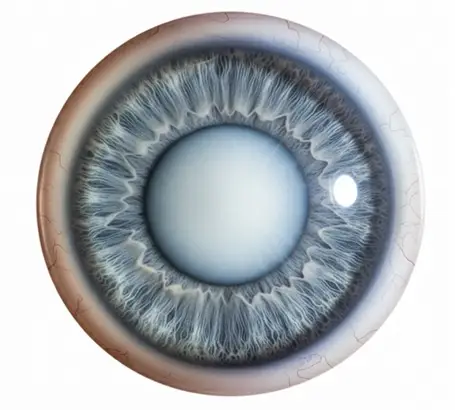
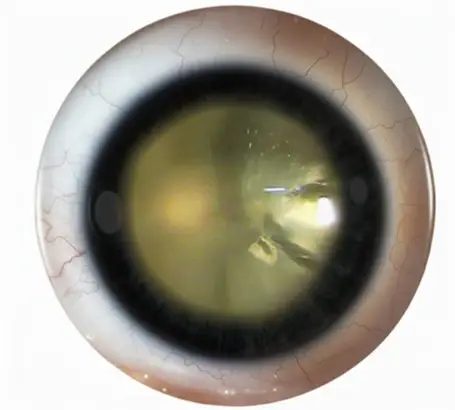
Congenital cataractsPresent at birth, significantly affecting vision development early on.
Traumatic CataractLens becomes cloudy after injury or blunt trauma.
Secondary CataractLens opacity develops after surgery due to preexisting medical conditions.
Myopia (Nearsightedness): Blurred distance vision corrected by reshaping the cornea or implanting a lens.
Hyperopia (Farsightedness) Difficulty with near vision corrected by adjusting corneal curvature or lens power.
Astigmatism: Irregular corneal shape causing distorted vision, corrected by targeted corneal reshaping or toric lenses.
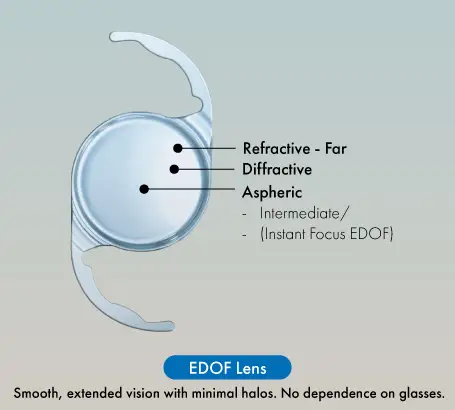
EDOF LensGives extended distance and intermediate vision with no halos & no glares.
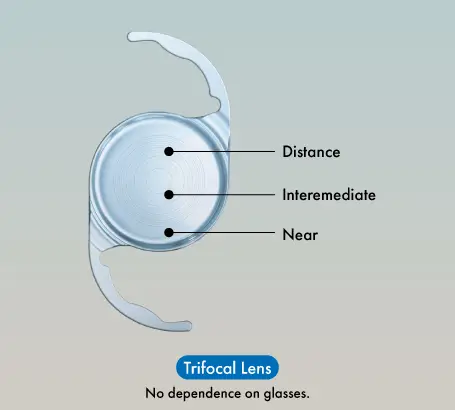
Trifocal LensProvides near, intermediate & distance vision without dependency on glasses.
Why Choose Krishna Eye Centre
At Krishna Eye Centre, we combine clinical expertise with advanced technology to deliver safe, precise, and predictable outcomes. Our experienced refractive surgeons provide individualized treatment planning based on your eye anatomy, lifestyle, and visual goals.
From your first consultation through long-term follow-up, our team ensures compassionate care and close monitoring for optimal results.
New Technology
Advanced Technology for Safer, Smarter Care
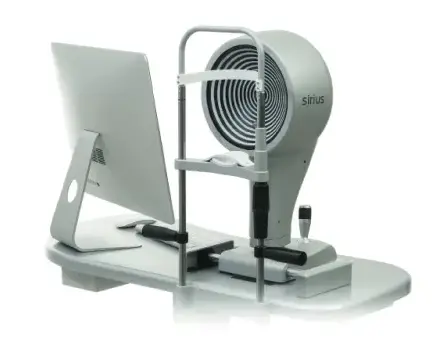
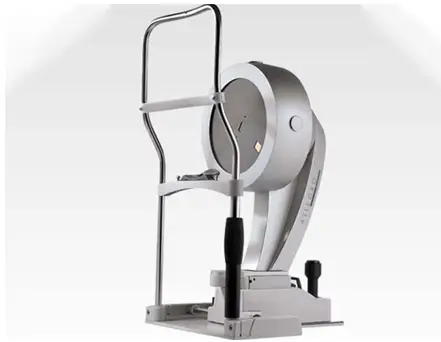
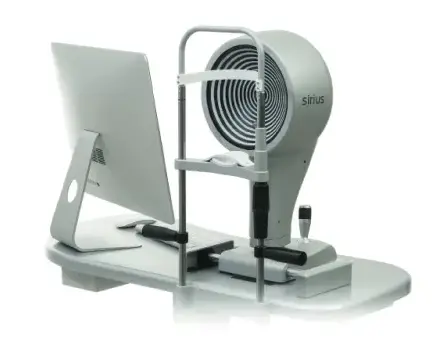
Corneal Topography & Tomography
Advanced imaging for detailed corneal mapping.
Detects corneal irregularities
Helps in accurate diagnosis
Ensures safer treatment planning
This technology provides detailed maps of the cornea, helping doctors customise treatment for better accuracy and safety.
Wavefront Aberrometry
Personalized higher-order vision correction
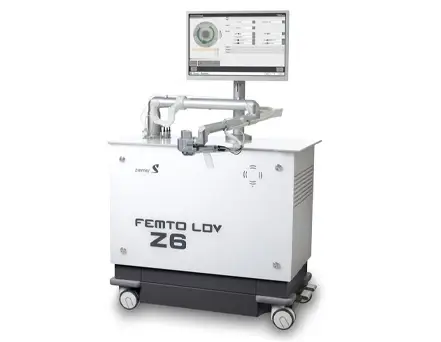
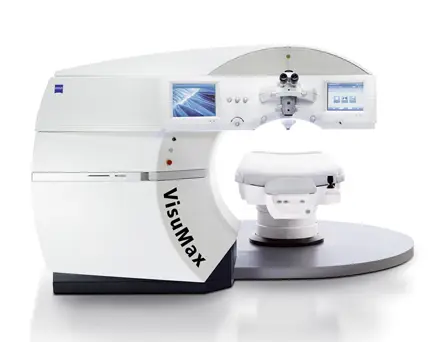
Femtosecond Laser
Bladeless flap creation and precision incisions
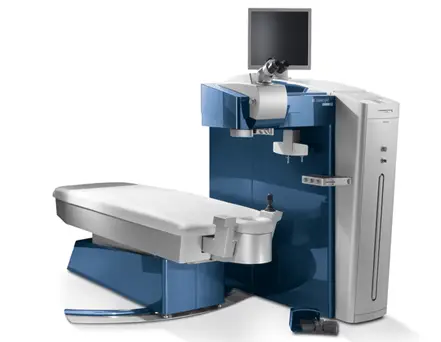
Excimer Laser Platforms
Accurate corneal reshaping
SMILE-capable Laser Systems
Minimally invasive lenticule extraction
Topography-Guided Systems (e.g., Contoura)
Customized treatment planning
What to Expect
Your Step-by-Step Refractive Surgery Journey
1
Comprehensive Consultation & Screening
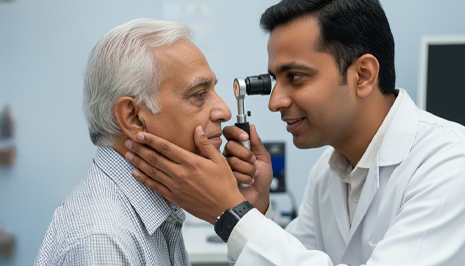
We perform a detailed eye examination, including corneal mapping, refraction, tear film evaluation, and a full ocular health assessment to determine your candidacy.
2
Personalized Treatment Planning
Based on your examination findings, lifestyle, and expectations, we recommend the most suitable procedure (LASIK, PRK, SMILE, RLE, or Phakic IOL).
3
Procedure Day
Most procedures are outpatient, comfortable, and typically completed within 10–30 minutes per eye.
4
Early Recovery
Mild dryness, irritation, or light sensitivity may occur temporarily. Vision often improves quickly—within days for LASIK and SMILE, and gradually over weeks for surface procedures like PRK or LASEK.
5
Follow-Up & Long-Term Care
Scheduled follow-up visits allow us to monitor healing, optimize visual outcomes, and manage any temporary dry eye or visual fluctuations.
Refractive Surgery for Clear Vision – LASIK, SMILE, Contoura & ICL
Refractive surgery is an advanced vision correction solution designed to reduce or eliminate the need for glasses or contact lenses. These procedures reshape the cornea or implant corrective lenses to improve how light focuses on the retina.
What is Refractive Surgery?
Refractive surgery includes a range of laser and lens-based procedures used to correct:
Myopia (Nearsightedness)
Hyperopia (Farsightedness)
Astigmatism
These surgeries improve vision permanently and are widely used as an alternative to spectacles.
Types of Refractive Surgeries (IMPORTANT SEO SECTION)
1. LASIK Surgery
Most common laser vision correction
Quick procedure (10–15 minutes)
Fast recovery
2. SMILE Surgery
Minimally invasive
No flap creation
Better for dry eye patients
3. Contoura Vision
Topography-guided LASIK
Personalized treatment
Sharper than normal vision
4. PRK Surgery
Suitable for thin corneas
No flap
Slightly longer recovery
5. ICL Surgery
Implantable lens
Best for high power patients
Reversible procedure
Who is Eligible for Refractive Surgery?
You may be eligible if:
Age above 18 years
Stable eye power
Healthy cornea
No major eye diseases
Benefits of Refractive Surgery
Freedom from glasses/contact lenses
Quick and painless procedure
High success rate
Long-term vision correction
Improved lifestyle and confidence
Refractive Surgery Cost in Parel and Sion, Mumbai
Cost depends on:
Type of surgery (LASIK / SMILE / ICL)
Technology used
Surgeon expertise
Approx Range:
LASIK: ₹20,000 – ₹80,000
SMILE: ₹80,000 – ₹1,50,000
ICL: ₹1,00,000 – ₹2,50,000
Procedure – Step-by-Step
1. Eye evaluation and corneal mapping
2. Laser correction or lens implantation
3. Same-day discharge
4. Follow-up visits
Recovery After Refractive Surgery
Vision improves within 24–48 hours
Avoid screen exposure initially
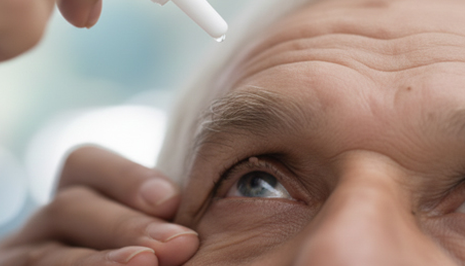
Use prescribed eye drops
Resume normal activities in few days
Risks & Safety
Refractive surgeries are safe when performed by experienced surgeons using advanced technology. Minor side effects may include:
Dry eyes
Light sensitivity
Temporary blurred vision
Why Choose Krishna Eye Centre?
700+ experienced eye specialists
Advanced laser technology
180+ hospitals across India
Personalized treatment plans
Patient Testimonials
FAQ’s
Clear Answers for Better Vision
What is refractive surgery?
Refractive surgery refers to a group of surgical procedures used to correct vision problems such as nearsightedness (myopia), farsightedness (hyperopia), and astigmatism. These procedures reshape the cornea so that light can focus properly on the retina, reducing or eliminating the need for glasses or contact lenses.
What are the different types of vision correction surgeries available at Krishna Eye Centre?
We offer the full spectrum of modern refractive technologies, including:
LASIK: The most common laser procedure for vision correction.
SMILE (Small Incision Lenticule Extraction): A flapless, minimally invasive procedure.
Contoura Vision: Topography-guided LASIK that provides superior visual sharpness.
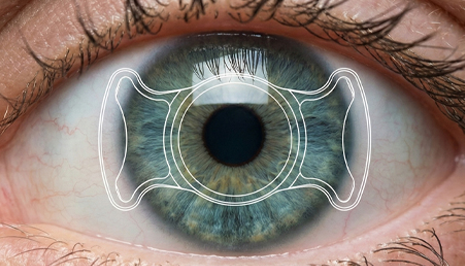
ICL (Implantable Collamer Lens): A permanent lens implant for those not suitable for laser surgery.
Am I a candidate for LASIK?
Most people over the age of 18 with a stable glass prescription for at least one year are candidates. However, your cornea must be thick enough and your eyes must be generally healthy. We perform a comprehensive Pre-LASIK Workup to determine the safest procedure for your specific eye structure.
What is the difference between LASIK and SMILE?
While both use lasers, LASIK involves creating a thin “flap” on the cornea. SMILE is a “flapless” procedure that uses a much smaller incision. SMILE is often preferred for patients with dry eyes or those involved in contact sports, as it preserves more corneal stability.
What is Contoura Vision, and why is it better?
Contoura Vision is the latest advancement in laser eye surgery. Unlike standard LASIK, which only corrects your prescription, Contoura maps 22,000 unique elevation points on your cornea. This allows the laser to smooth out microscopic irregularities, often resulting in vision that is better than 6/6 (better than what you had with glasses).
Is the procedure painful?
No. Refractive surgeries are virtually painless. We use numbing eye drops so you won’t feel anything during the procedure. You might feel a slight sensation of pressure for a few seconds, but the actual laser treatment usually takes less than 1 minute per eye.
How long does the surgery take, and when can I see clearly?
The entire process takes about 10–15 minutes for both eyes. Most patients notice a significant improvement in vision immediately. You can usually return to work and drive within 24 to 48 hours after LASIK or SMILE.
Are the results of laser eye surgery permanent?
Yes, the changes made to the cornea are permanent. However, it’s important to note that laser surgery cannot prevent age-related changes like Presbyopia (the need for reading glasses after age 40), which affects the eye’s internal lens rather than the cornea.
What happens if my cornea is too thin for LASIK?
At ASG, we specialize in ICL (Implantable Collamer Lens) for patients with high prescriptions or thin corneas. An ICL is a tiny, biocompatible lens placed inside the eye. It provides high-definition vision and can be removed if necessary, making it an excellent alternative for those rejected for LASIK.
Why should I choose Krishna Eye Centre for my vision correction?
Krishna Eye Centre is equipped with the world’s most advanced laser platforms. Our surgeons are pioneers in refractive surgery, and our personalized approach ensures that you receive the specific technology (LASIK, SMILE, or Contoura) that is safest and most effective for your unique eyes.
What is Photorefractive Keratectomy?
Photorefractive keratectomy is a type of laser eye surgery, that is used to treat refractive errors, Nearsightedness (myopia), Farsightedness (hyperopia), and Astigmatism) with an excimer laser (A computer-generated, cold laser beam),