ICL Surgery in Parel and Sion, Mumbai – Premium Lens Solution Clear vision for high prescriptions & thin corneas — trusted by 5 Lakh+ patients across 2+ hospitals.
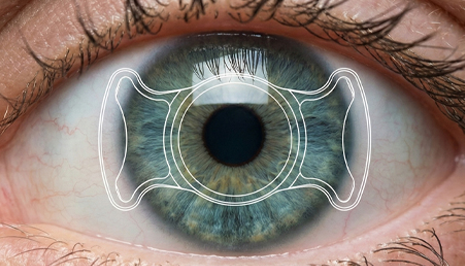
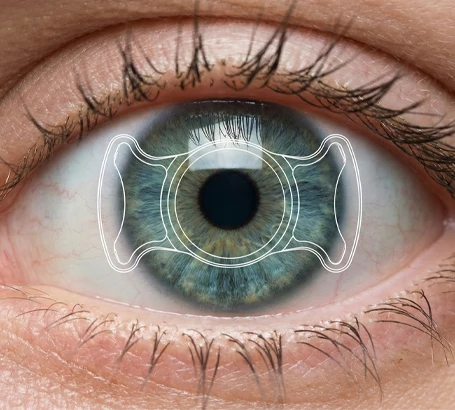
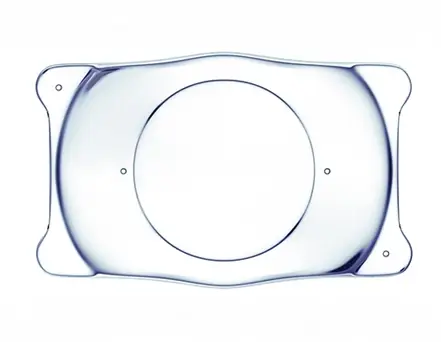
ICL (Implantable Collamer Lens) surgery is an advanced vision correction procedure in which a thin, biocompatible lens is placed inside the eye to correct moderate to severe myopia (short-sightedness), hyperopia (long-sightedness), and astigmatism.
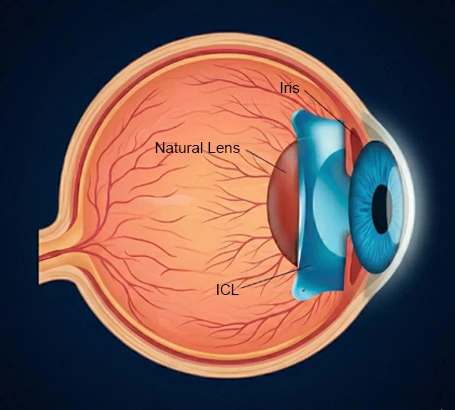
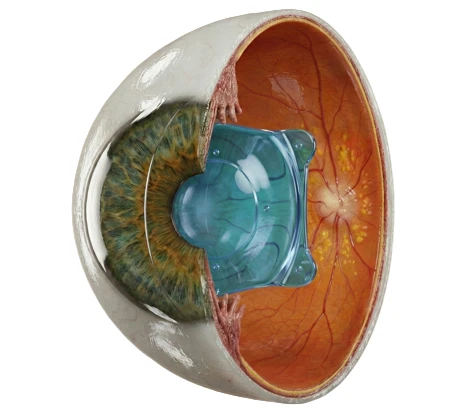
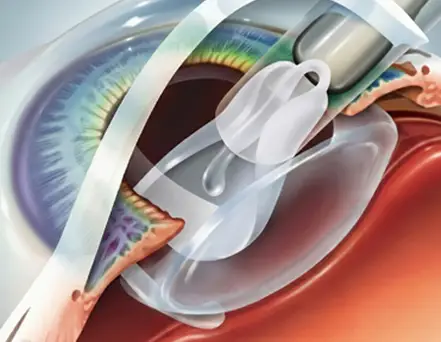
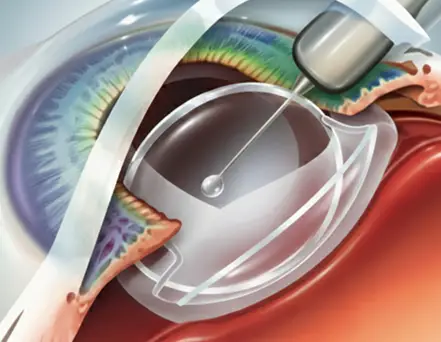
Unlike laser procedures such as LASIK or PRK, ICL does not remove corneal tissue. The lens is positioned behind the iris (the coloured part of the eye) and in front of your natural lens. Your natural lens remains in place.
ICL can be an excellent option for patients who are not suitable for corneal laser surgery, particularly those with thin corneas or very high prescriptions.
Get A Call Back
Are 21 years or older
Have healthy eyes with no active infection or uncontrolled eye disease
Have moderate to severe myopia, hyperopia, or astigmatism
Complaints of headaches or eye strain
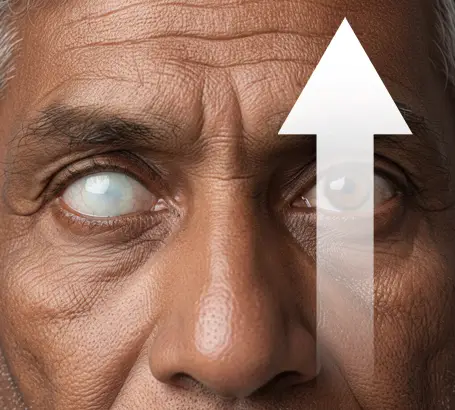
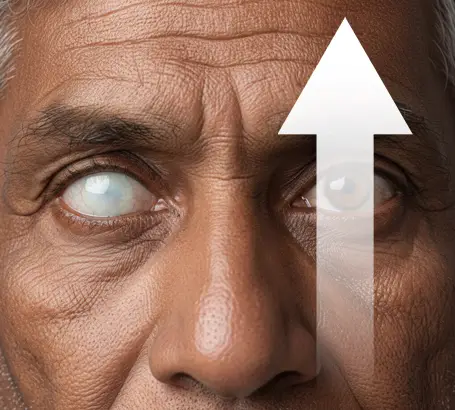
A white or grey reflex in photographs (requires urgent evaluation)
Poor concentration or difficulty reading
Wandering or misaligned eyes
Excellent visual outcomes for moderate to high prescriptions
Made of Collamer® (a collagen-based biocompatible material) that is well tolerated within the eye
Reversible — the lens can be removed or exchanged if needed.
Refractive Errors (Myopia, Hyperopia, Astigmatism):Caused by the eye not focusing light properly, leading to blurred distance or near vision.
Amblyopia (Lazy Eye): Reduced vision in one eye because the brain favors the other eye. Early treatment is crucial.
Myopia progression (Increasing power): Rising numbers of children are developing progressive nearsightedness that requires monitoring and control.
Congenital Nasolacrimal Duct Obstruction (Blocked Tear Ducts): A significant number of newborns experience persistent tearing and discharge due to underdeveloped tear drainage systems.
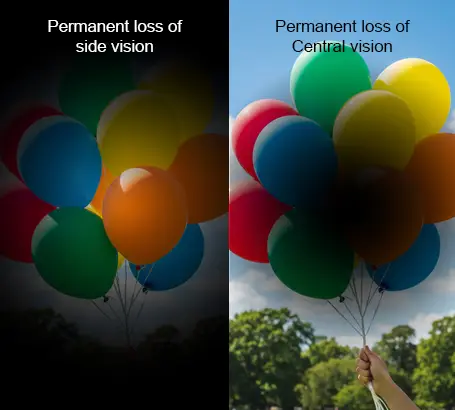
Permanent loss of peripheral vision
Difficulty reading, driving, or navigating
Progressive central vision loss
Increased risk of complete blindness
Need for more complex surgical treatment in advanced stages
Clearer vision, customized care
How the ICL Procedure Works
Pre-operative Assessment:Detailed measurements are taken to determine the correct lens size and power.
Anaesthesia: Numbing eye drops are applied. The procedure is painless.
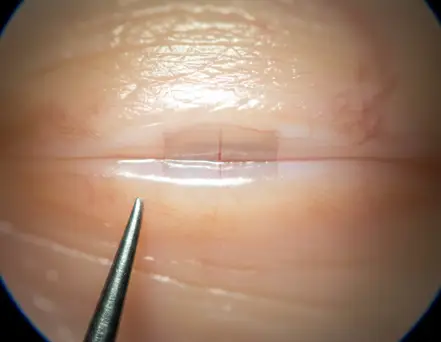
Small corneal incision made; lubricant protects the cornea.
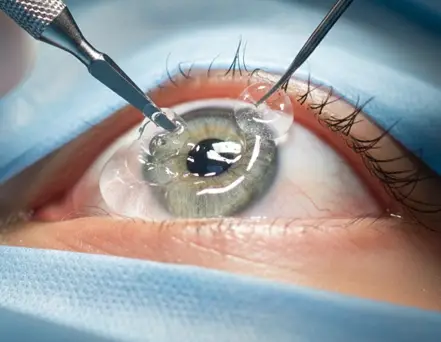
Lens Insertion:A tiny incision (approximately 2.8–3.0 mm) is made at the edge of the cornea. The folded ICL is gently inserted through a specialised injector cartridge.
Positioning: The lens unfolds and is carefully positioned behind the iris and in front of the natural lens. Proper alignment and vault (space between lenses) are confirmed.
Self-Sealing Incision: The small incision typically seals on its own without stitches.
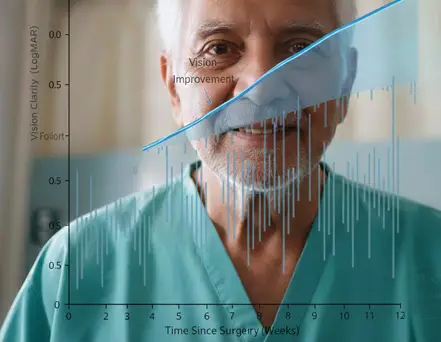
Early vision improves within days; full stabilisation may take a few weeks.
Follow-up visits scheduled to monitor healing and visual outcomes.
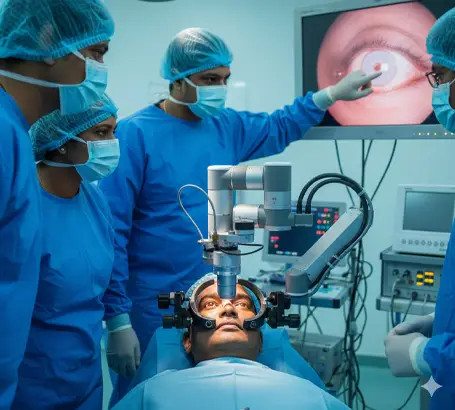
The procedure usually takes 15–20 minutes per eye and is performed as a day-case surgery.
Most patients notice improved vision within a few days, although complete visual stabilisation may take several weeks.
Why Choose Krishna Eye Centre for ICL Surgery
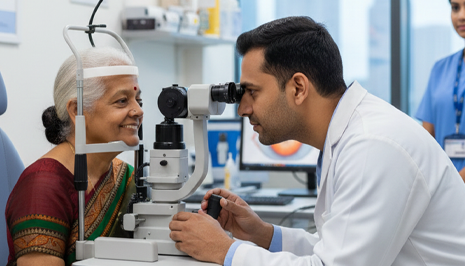
At Krishna Eye Centre, we combine experienced refractive surgeons with advanced diagnostic imaging and precise surgical techniques to ensure optimal lens sizing and placement.
Our structured pre-operative evaluation and dedicated follow-up protocol prioritise:
Safety
Accuracy
Rapid recovery
Long-term visual stability
New Technology
Advanced ICL Technology at Krishna Eye Centre
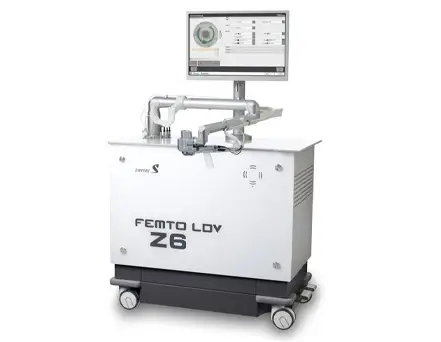
We use state-of-the-art diagnostic and surgical equipment, including:
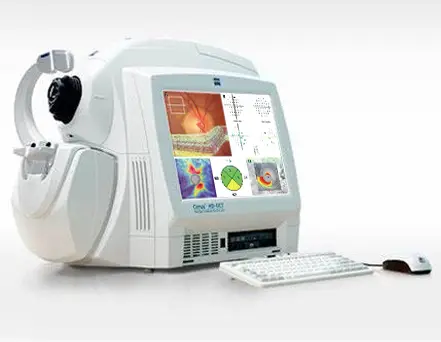
High-resolution Anterior Segment OCT & Ultrasound Biomicroscopy
For accurate sizing and vault prediction.
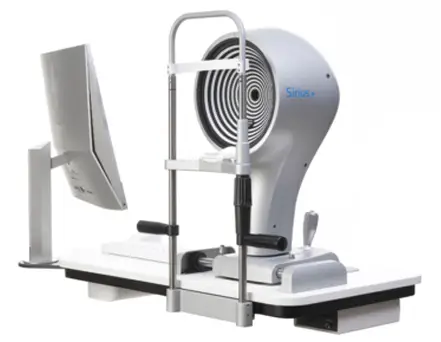
Corneal Topography & Tomography
To assess corneal health and rule out contraindications such as keratoconus.
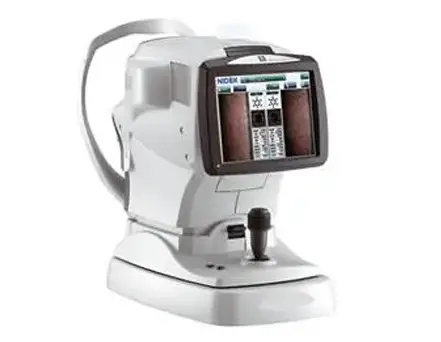
Specular Microscopy
To evaluate endothelial cell count before and after surgery.
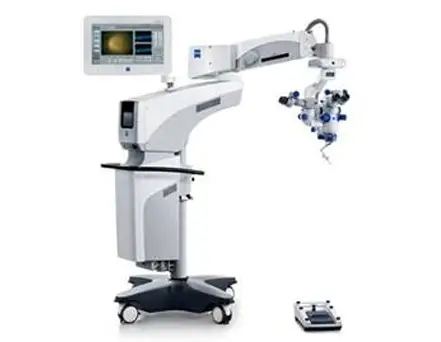
Digital Surgical Planning & Advanced Operating Microscopes
For precise placement and optimal visual outcomes.
Dedicated ICL Follow-Up Protocol
Structured long-term monitoring with targeted imaging to ensure sustained safety and lens stability.
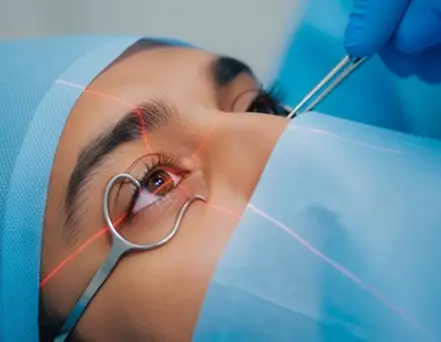
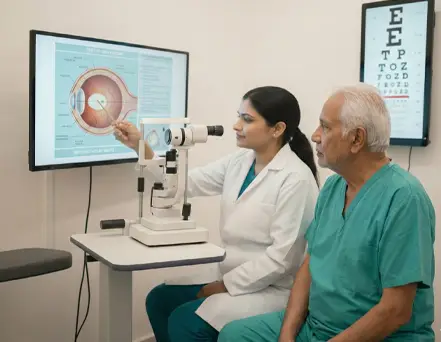
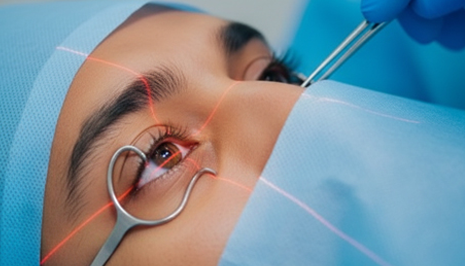
Laser Peripheral Iridotomy (when indicated)
Performed in selected cases to optimise fluid flow and reduce intraocular pressure risk. (Note: Modern EVO ICL models typically do not require routine iridotomy.)
What to Expect
Your Treatment Journey
1
Consultation & Screening
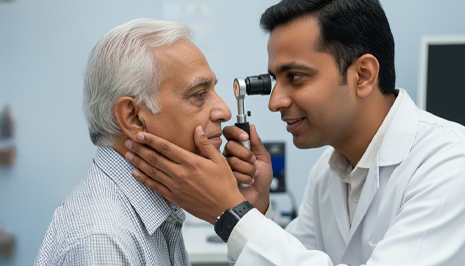
Refraction and vision assessment
Corneal measurements
Anterior chamber depth evaluation
Endothelial cell analysis
Pupil assessment
2
Pre-Operative Planning
Final lens sizing and ordering
Detailed counselling
Pre-operative instructions
Temporary discontinuation of contact lenses (if applicable)
3
Procedure Day
A short outpatient procedure performed under topical anaesthesia. Both eyes may be treated on the same day if appropriate.
4
Early Recovery
Mild discomfort or light sensitivity is normal
Vision may be slightly blurred initially
Prescribed eye drops help healing and prevent infection
Most patients notice significant visual improvement within a few days.
5
Follow-up & Long-Term Monitoring
Scheduled visits allow us to monitor:
Lens position
Vault (clearance from natural lens)
Eye pressure
Endothelial cell health
Long-term monitoring ensures continued safety and stable visual outcomes.
Eye Care Videos
ICL Surgery Videos: Expert Guidance
ICL Surgery in Parel and Sion, Mumbai – Complete Guide, Benefits & Recovery
ICL Surgery in Parel and Sion, Mumbai – Complete Guide, Benefits & Recovery
Implantable Collamer Lens (ICL) surgery is a premium vision correction solution for patients with high prescriptions or thin corneas who are not suitable for LASIK.
At Krishna Eye Centre, we provide advanced ICL surgery in India with experienced refractive surgeons, cutting‑edge technology, and personalized care to give you clear, natural vision.
What is ICL Surgery?
ICL surgery involves placing a biocompatible lens inside the eye, between the iris and natural lens, to correct vision without removing corneal tissue.
Benefits of ICL Surgery:
Corrects high myopia, hyperopia & astigmatism
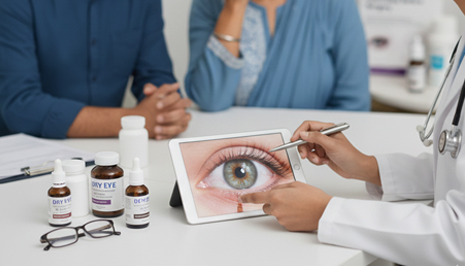
Suitable for thin corneas or dry eyes
Reversible procedure (lens can be removed/replaced)
Provides sharp, high‑definition vision
Quick recovery with minimal discomfort
Who Should Consider ICL Surgery?
Patients with high prescriptions (above LASIK limits)
Thin corneas unsuitable for LASIK/PRK
Dry eye patients seeking permanent correction
Individuals looking for a premium, long‑term solution
ICL Surgery Cost in Parel and Sion, Mumbai
Cost depends on prescription level, lens type, and hospital location.
Estimated Cost Range:
ICL Surgery: ₹1,25,000 – ₹2,50,000 (per eye)
Transparent pricing with advanced technology and expert care.
Causes & Risk Factors
Diabetes and high blood sugar
Aging and degeneration
High blood pressure
Eye injuries or infections
Genetic conditions
Smoking and unhealthy lifestyle
Why Choose Krishna Eye Centre?
Experienced refractive surgeons
FDA‑approved implantable lenses
Advanced diagnostic & surgical technology
180+ hospitals nationwide
Trusted by 10 Lakh+ patients
Looking for ICL Surgery Near Me?
Krishna Eye Centre offers expert ICL surgery across multiple locations in India.
Book your ICL consultation today and experience clarity from within.
Patient Testimonials
FAQ’s
Clear Answers for Better Vision
What is ICL surgery?
ICL (Implantable Collamer Lens) surgery is a premium vision-correction procedure where a tiny, biocompatible lens is permanently implanted inside the eye. Unlike a contact lens that sits on the surface, the ICL is placed between the iris and your natural lens to provide sharp, high-definition vision.
How is ICL different from LASIK or SMILE?
LASIK and SMILE are “subtractive” procedures that reshape the cornea by removing tissue. ICL is an “additive” procedure—it does not change the shape or thickness of your cornea. This makes it the ideal choice for patients who are not candidates for LASIK due to thin corneas or high refractive errors.
Who is an ideal candidate for ICL at Krishna Eye Centre?
You may be a perfect candidate for ICL if:
You are between 18 and 45 years old.
You have a high power (Myopia up to -18D or Astigmatism up to 6D).
You have been told your cornea is too thin or irregular for LASIK.
You have chronic dry eyes (ICL does not worsen dry eye symptoms).
What is the ICL procedure like?
The procedure is quick and performed as a day-care surgery. Our surgeons make a microscopic incision (no stitches required) and gently insert the foldable Collamer lens. The entire process takes about 15–20 minutes per eye, and the results are almost immediate.
Is ICL surgery painful?
No. We use specialized numbing eye drops so you will not feel any pain during the procedure. You may feel a slight sensation of pressure for a few seconds, but most patients at ASG find the experience very comfortable.
How long does the recovery take?
Most patients experience a “Wow!” moment with significantly clearer vision the very next day. You can typically return to your routine activities, such as working on a laptop or watching TV, within 48 hours. Full stabilization occurs within a week.
Can the ICL lens be removed?
One of the biggest advantages of ICL is that it is reversible. Unlike LASIK, which permanently changes the eye, the ICL lens can be safely removed or replaced by a surgeon if your prescription changes significantly or if you develop cataracts later in life.
Is ICL surgery safe?
Yes. The EVO ICL used at ASG is US-FDA approved and has been implanted in millions of eyes worldwide. It is made of “Collamer,” a biocompatible material that contains a UV filter to protect your eyes from harmful sun rays and does not cause an immune reaction.
Will people be able to see the lens in my eye?
No. The ICL is placed behind the iris (the colored part of your eye), making it completely invisible to you and others. Only an eye specialist using a microscope will be able to see that you have had the procedure.
Why should I choose Krishna Eye Centre for ICL?
ICL requires a very high level of surgical precision. At Krishna Eye Centre, we use advanced Pentacam and Ultrasound Biomicroscopy (UBM) to take exact measurements of your eye’s internal space. This ensures the lens is sized perfectly for your eye, providing the highest level of safety and visual quality.
What is Photorefractive Keratectomy?
Photorefractive keratectomy is a type of laser eye surgery, that is used to treat refractive errors, Nearsightedness (myopia), Farsightedness (hyperopia), and Astigmatism) with an excimer laser (A computer-generated, cold laser beam),