Cataract Surgery

Cataract Surgery in Parel and Sion, Mumbai – Trusted Specialists Krishna Eye Centre. Achieve clear vision with advanced cataract treatment and expert care at Krishna Eye Centre.
year

35+

Years
Hospitals

2+

Hospitals
Eye Specialists Doctor

10 +

Eye Specialists
 Eye Treated

5 Lakhs+

Eye Treated

What is a cataract ?

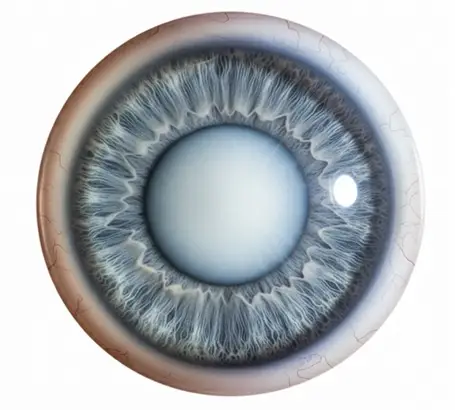
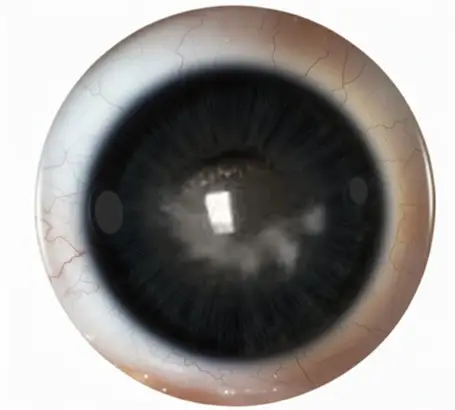
A cataract is the clouding of the eye’s natural lens that causes blurry, hazy, or dull vision. If you’re wondering what is cataract, it is one of the most common age-related eye conditions and a leading cause of vision impairment worldwide.

The cataract meaning refers to the gradual loss of lens transparency, preventing light from focusing clearly on the retina. Although cataracts usually develop with age, they can also occur due to diabetes, eye injuries, prolonged steroid use, genetics, or excessive UV exposure.

Without timely treatment, cataracts can progressively worsen and significantly affect daily activities like reading, driving, watching television, or recognizing faces.

Get A Call Back

Selece Terms Conditions

symptoms_of_cataract_blurred_cloudy_or_dim_vision
Blurred, cloudy or dim vision
symptoms_of_cataract_increased_glare_or_difficulty_with_bright_lights
Increased glare or difficulty with bright lights
symptoms_of_cataract_colours_appearing_faded_or_yellowish-1
Colors appearing faded or dull
symptoms_of_cataract_colours_appearing_faded_or_yellowish-1-1
Double vision in one eye
1_types_of_cataract_nuclear_cataract-1
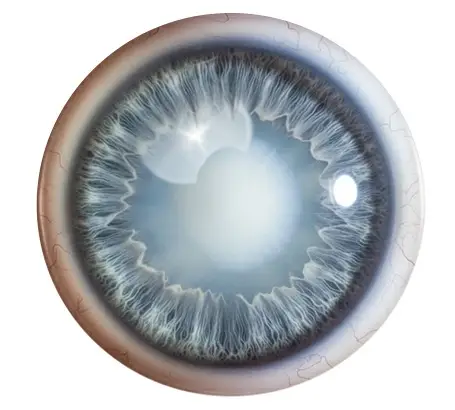
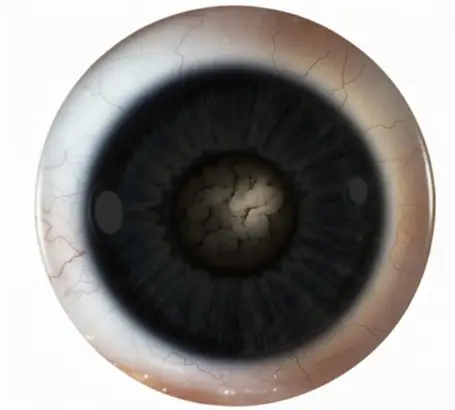
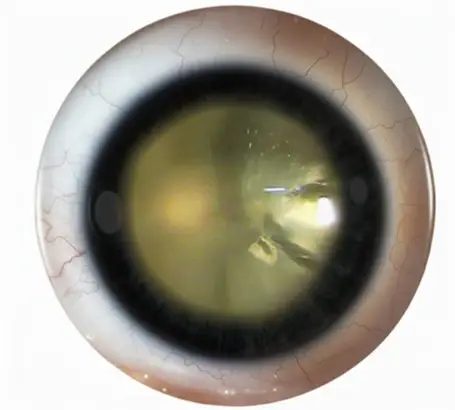
Nuclear Cataract Natural lens centre hardens, causing gradual yellowing and blurring.
1_types_of_cataract_cortical_cataract-1
Cortical Cataract Spoke-like opacities form around lens edges affecting clarity.
1_types_of_cataract_posterior_subcapsular_cataract-1
Posterior subcapsular cataract Clouding at the back of the lens, reducing near and bright-light vision.
1_types_of_cataract_congenital_cataract-1
Congenital cataracts Present at birth, significantly affecting vision development early on.
1_types_of_cataract_Traumatic_cataract-1
Traumatic Cataract Lens becomes cloudy after injury or blunt trauma.
1_types_of_cataract_secondary_cataract-1
Secondary Cataract Lens opacity develops after surgery due to preexisting medical conditions.
TypesOfLenses_Monofocal_lens
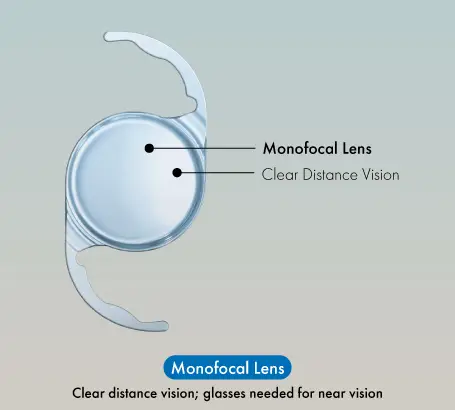
Monofocal Lens Clear distance vision; glasses needed for near vision
Toric_lens
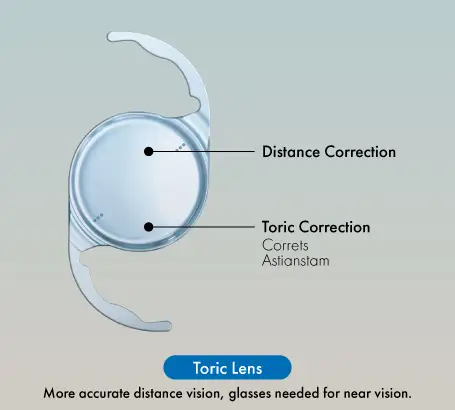
Toric Lens Correct astigmatism; clear distance vision, glasses needed for near vision
Multifocal_lens
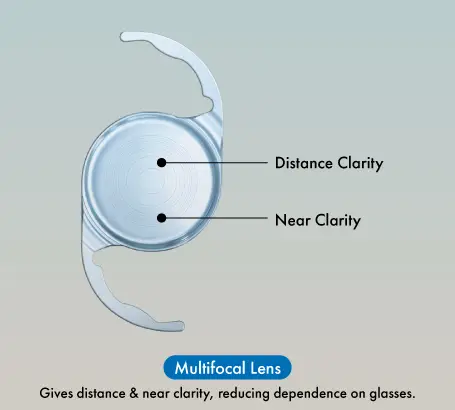
Multifocal Lens Provides distance and near vision, reducing dependency on glasses.
EDOF_lens
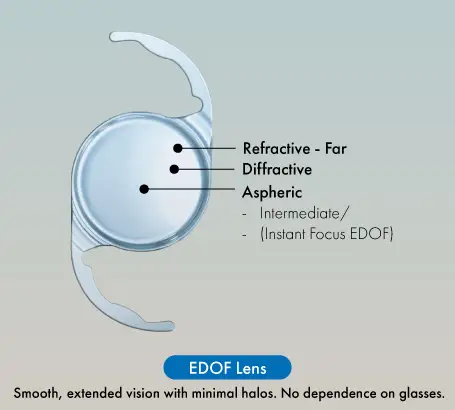
EDOF Lens Gives extended distance and intermediate vision with no halos & no glares.
Trifocal_lens
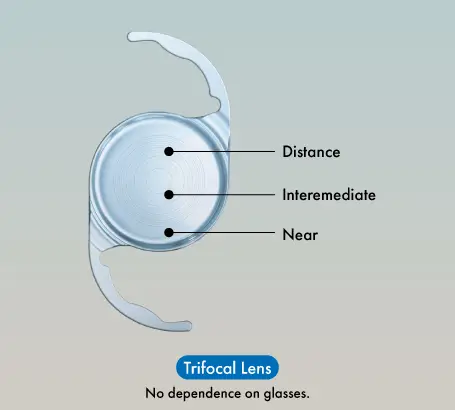
Trifocal Lens Provides near, intermediate & distance vision without dependency on glasses.
Clearer vision

Clearer vision, customized care

Treatment Options for Cataracts (Surgical)

Phaco Surgery

The most common method where an ultrasound probe breaks the cloudy lens, which is then removed and replaced with an artificial lens (IOL). Small incision, stitchless, quick recovery.
New Technology

New Technology

The cutting-edge technologies powering Krishna Eye Centre Cataract care

Phaco-System

Phaco System

Removes cataracts using gentle ultrasound through tiny, stitchless incisions. Allows faster healing, less discomfort, and clearer vision
Precision during cataract procedures. It is designed to support accurate treatment and an efficient surgical workflow. Suitability depends on the individual patient.
  • Tiny, stitchless incision
  • Quick and comfortable procedure
  • Fast recovery with clearer vision
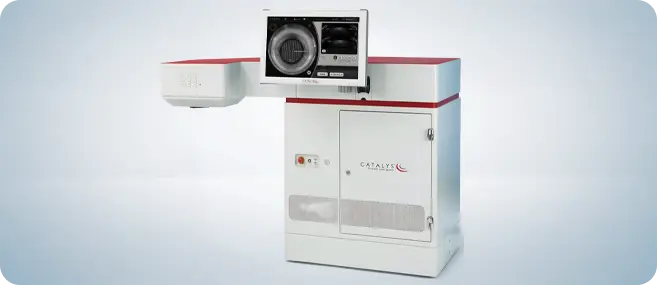
Catalys™-Precision-Laser-System

Catalys™-Precision-Laser-System

A bladeless laser system that performs precise incisions for cataract surgery. Ensures greater accuracy, safety, and faster healing
Incisions. These systems support controlled lens removal during cataract surgery. The specific technique depends on the selected system and the surgeon's assessment.
  • Laser-guided incisions and lens breaking
  • Ideal for premium, bladeless surgery
  • Enhanced precision and faster recovery
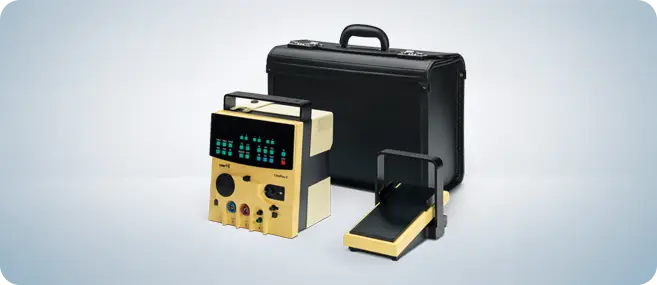
LEGION®-_-Catarhex-_-Faros-Systems

LEGION® / Catarhex / Faros Systems

Advanced machines that break the cloudy lens into tiny pieces for removal through stitchless incisions. Ideal for cataract surgery
With features designed to support the surgical workflow. Available functions vary by model and manufacturer.
  • Tiny, stitchless incision
  • Safe and efficient lens removal
  • Quick, comfortable procedure

Why Choose Krishna Eye Centre for Cataract Surgery in Parel and Sion, Mumbai?

Krishna Eye Centre is a trusted name for cataract surgery in India, known for its experienced surgeons, advanced technology, and patient-first care. If you are looking for the best cataract hospital near you, Krishna eye centre offers safe, effective, and affordable treatment across multiple cities.
  • 180+ Centers Across India – Easy access to quality eye care near you
  • Experienced Cataract Surgeons – High success rate with expert treatment
  • Latest Laser Technology – Safe, precise, and stitchless procedures
  • Affordable Treatment Options – Cost-effective care with flexible choices
What to Expect

What to Expect

Your step-by-step Cataract surgery journey

1

Consultation

  • Comprehensive eye examination
  • Discussing lifestyle needs and lens options
  • Personalised treatment plan

2

Preparation

  • Detailed pre-surgery checks
  • Instructions on medications, if needed
  • Step-by-step walkthrough of the surgery process

3

Surgery

  • Quick, painless outpatient surgery (15 mins)
  • Advanced phaco or laser-assisted techniques
  • Placement of your chosen intraocular lens (IOL)

4

Recovery

  • Return to daily activities with minimal downtime
  • Mild sensitivity as vision sharpens
  • Follow-ups to ensure smooth recovery
Eye Care

Eye Care Videos

Cataract Surgery Videos: Expert Guidance

Complete Guide to Cataract Surgery: Symptoms, Types, Treatment, Cost & Recovery

Cataract Symptoms

Recognizing cataract symptoms early can help preserve your vision through timely treatment. Common signs include:

  • Blurred or cloudy vision
  • Difficulty seeing at night
  • Increased sensitivity to sunlight or bright lights
  • Glare and halos around lights
  • Frequent changes in eyeglass prescription
  • Double vision in one eye
  • Faded or yellowish colors
  • Difficulty reading or performing close-up work
If you notice any of these cataract symptoms, consult an experienced eye specialist for a comprehensive eye examination.

What is the Reason for Cataract?

Many patients ask about the reason for cataract development. Cataracts form when proteins inside the eye’s natural lens begin to break down and clump together, causing the lens to become cloudy.
Common reasons include:
  • Age-related changes (most common)
  • Diabetes
  • Eye injuries or trauma
  • Long-term steroid medication
  • Excessive UV radiation exposure
  • Smoking
  • Alcohol consumption
  • Family history
  • Previous eye surgery
  • Congenital cataracts (present at birth)
Maintaining good eye health and regular eye check-ups can help detect cataracts before they severely affect vision.

Types of Cataract

Understanding the different types of cataract helps determine the most appropriate treatment plan.

Nuclear Cataract

Develops in the center of the lens and is commonly associated with aging.

Cortical Cataract

Starts around the edges of the lens and gradually moves toward the center, causing glare and reduced contrast.

Posterior Subcapsular Cataract

Forms at the back of the lens and often progresses faster than other types. It commonly affects younger individuals, diabetics, and steroid users.

Congenital Cataract

Present at birth or develops during childhood due to genetic or developmental conditions.

Traumatic Cataract

Occurs following an eye injury.

Secondary Cataract

Develops after certain medical conditions, medications, or previous eye surgeries.

What is the Treatment for Cataract?

Many patients ask about cataracts treatment options. Currently, the only permanent and effective treatment for cataracts is surgery.

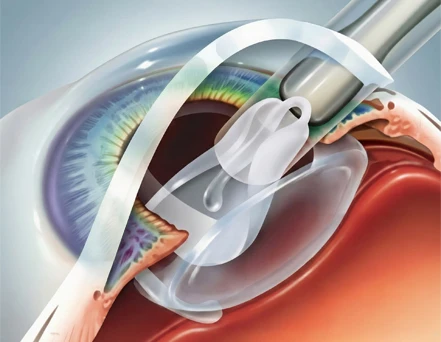
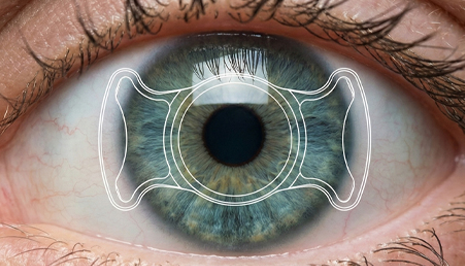
During cataract eye surgery, the cloudy natural lens is removed and replaced with a clear artificial intraocular lens (IOL). Modern surgical techniques are highly precise, minimally invasive, and offer excellent visual outcomes.

There are no medicines, eye drops, or exercises that can permanently cure cataracts.

Cataract Operation: What Happens During Surgery?

A cataract operation is one of the safest and most commonly performed eye procedures worldwide.

The surgery generally involves:

1. Administration of local anesthesia.
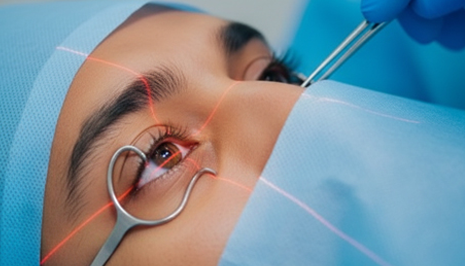
2. A tiny incision is made in the eye.
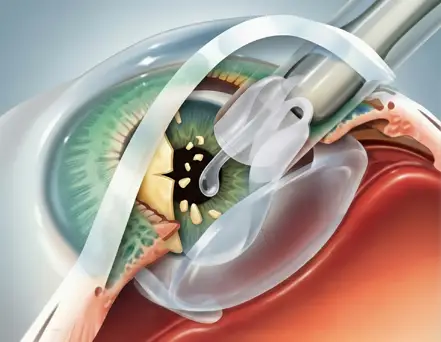
3. The cloudy lens is gently broken into small fragments.
4. The cataract is removed.
5. A premium artificial intraocular lens (IOL) is implanted.
6. Most procedures are stitch-free and completed within 15–20 minutes.

Patients usually return home the same day and experience improved vision within a few days.

Types of Cataract Surgery

Krishna Eye Centre offers advanced cataract eye surgery options based on each patient’s eye condition.

Phacoemulsification (Phaco Surgery)

  • Small incision
  • Stitch-free procedure
  • Quick recovery
  • Minimal discomfort

MICS (Micro Incision Cataract Surgery)

  • Smaller incision than conventional surgery
  • Faster healing
  • Reduced inflammation

SICS (Small Incision Cataract Surgery)

  • Suitable for advanced or mature cataracts
  • Cost-effective
  • Excellent success rates

Laser Cataract Surgery

  • Bladeless technology
  • Highly precise
  • Improved surgical accuracy
  • Faster visual recovery
Our specialists recommend the most suitable surgical technique after a detailed eye examination.

Eye Cataract Treatment at Krishna Eye Centre

Krishna Eye Centre provides comprehensive eye cataract treatment using advanced diagnostic technology and internationally accepted surgical techniques.

Our treatment process includes:

  • Complete eye examination
  • Cataract evaluation
  • Retina assessment
  • Biometry for lens calculation
  • Customized IOL selection
  • Advanced cataract surgery
  • Regular follow-up care

Every treatment plan is personalized according to the patient’s age, lifestyle, eye condition, and visual needs.

Choosing the Right Intraocular Lens (IOL)

Selecting the right lens is an important part of successful cataract surgery.

Available options include:

Monofocal Lens

Provides clear vision at one distance.

Multifocal Lens

Offers improved vision for near, intermediate, and distance activities.

Toric Lens

Corrects astigmatism along with cataracts.

Premium IOLs

Designed to reduce dependence on glasses after surgery.
Our eye specialists help patients choose the most suitable lens based on lifestyle, budget, and visual expectations.

Cataract Surgery Cost in Parel and Sion, Mumbai

  • Type of surgery
  • ntraocular lens (IOL) selected
  • Cataract complexity
  • Hospital location
  • Surgeon expertise

Estimated Cost

  • Standard Cataract Surgery: ₹20,000 – ₹40,000
  • Advanced / Laser Cataract Surgery: ₹50,000 – ₹1,20,000
At Krishna Eye Centre, we offer transparent pricing with high-quality care across all our centers.

Recovery After Cataract Surgery

Recovery after cataract eye surgery is usually quick.

Before Surgery

  • Comprehensive eye examination
  • Blood sugar and blood pressure evaluation (if required)
  • Lens selection
  • Surgical counseling
Most patients notice significantly clearer vision within a few days.

After Surgery

  • Use prescribed eye drops regularly
  • Avoid rubbing your eyes
  • Wear protective glasses
  • Avoid swimming for a few weeks
  • Attend scheduled follow-up visits
  • Avoid heavy lifting during the initial recovery period

When Should You Consult an Eye Specialist?

Schedule an eye examination if you experience:

  • Blurred vision
  • Difficulty driving at night
  • Frequent change in spectacles
  • Increased glare from lights
  • Cloudy vision
  • Difficulty reading
  • Reduced color brightness

Early diagnosis leads to better treatment outcomes and improved quality of life.

Looking for Cataract Surgery Near You?

If you’re searching for cataract surgery near me, cataract eye surgery, or eye cataract treatment, Krishna Eye Centre offers expert care, advanced technology, and affordable treatment across multiple locations in India.

Book your cataract consultation today and regain clear, comfortable vision with the trusted specialists at Krishna Eye Centre.

Eye Care

Patient Testimonials

FAQ’s

FAQ’s

Clear Answers for Better Vision

What is a cataract?

A cataract is a clouding of the eye’s natural lens, which leads to blurry vision, glare, and difficulty with daily activities like reading or driving. It occurs most commonly due to aging but can also result from diabetes or eye injuries.

What are the common symptoms of a cataract?

Symptoms include blurry or cloudy vision, increased glare (especially at night), difficulty seeing in low light, colors appearing faded, and frequent changes in spectacle prescriptions.

How is a cataract diagnosed at Krishna Eye Centre?

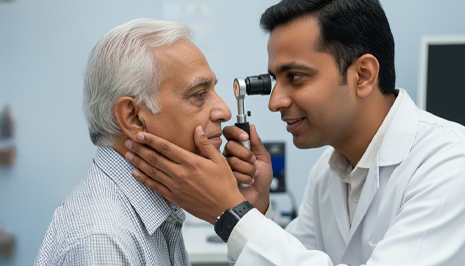
Our specialists perform a comprehensive eye exam using advanced diagnostic tools to assess lens clarity, retina health, and intraocular pressure to ensure an accurate diagnosis.

When is the right time to consider cataract surgery?

Surgery is recommended when the cataract begins to interfere with your quality of life—such as making it hard to drive at night or read. There is no need to wait for the cataract to “mature” or become “ripe” before undergoing modern surgery.

Is cataract surgery safe?

Yes. Cataract surgery is one of the safest and most successful medical procedures worldwide. At ASG, our surgeons have performed (thousands of successful surgical procedures using state-of-the-art technology.

What happens during the procedure?

The cloudy lens is gently removed and replaced with a clear artificial lens (Intraocular Lens or IOL). At ASG, we specialize in Phacoemulsification and MICS (Micro-Incision Cataract Surgery), which use ultra-small incisions for faster healing.

Will I still need to wear glasses after surgery?

This depends on your choice of lens. While standard lenses (Monofocal)may still require reading glasses, our Premium IOLs (Multifocal, Trifocal, or EDOF) can significantly reduce or even eliminate your dependence on glasses for both distance and near vision.

How long is the recovery period?

Most patients notice a significant improvement in vision within 24 to 48 hours. While full healing takes about 4 weeks, most people return to light daily activities the very next day/.

Are there risks involved?

While complications are rare, as with any surgery, there are minimal risks such as inflammation or infection. Our surgeons /councilors discuss these in detail during your consultation to ensure you are fully informed.

Can cataracts grow back after surgery?

No, a cataract cannot return. However, some patients may experience blurring of vision fewmonths after surgery, which results from a “secondary cataract” (PCO), which causes slight cloudiness behind the new lens. This is easily corrected with a quick, painless 2-minute YAG Laser procedure at our clinic.

Is the surgery painful?

No. We use “topical anesthesia” (numbing eye drops), meaning there are no injections and no pain. You may feel a slight sensation of pressure, but the procedure is generally very comfortable.
Blogs

Blog

Cataract Surgery Insights

Services & Specialties

Every Angle of Vision. Every Kind of Care.

Glaucoma

Glaucoma: A Silent Thief of Sight Glaucoma is an eye condition that directly damages the optic nerve (the bundle of nerve fibers that carries..

Cornea

Cornea and Associated Diseases The cornea is the transparent front part of the eye that covers the iris, pupil, and anterior parts of an eye.

Oculoplasty

What is Oculoplasty? Oculoplasty, also known as oculoplastic surgery is a specialized branch of ophthalmology that focuses on the disease diagnosis

ICL Surgery

What is ICL Eye Surgery? ICL or Implantable Collamer Lens surgery is a type of refractive surgery, in which an artificial lens is implanted in the ey…

PRK Surgery

What is Photorefractive Keratectomy? Photorefractive keratectomy is a type of laser eye surgery, that is used to treat refractive errors, Nearsightedness (myopia), Farsightedness (hyperopia), and Astigmatism) with an excimer laser (A computer-generated, cold laser beam),